
Conclusions
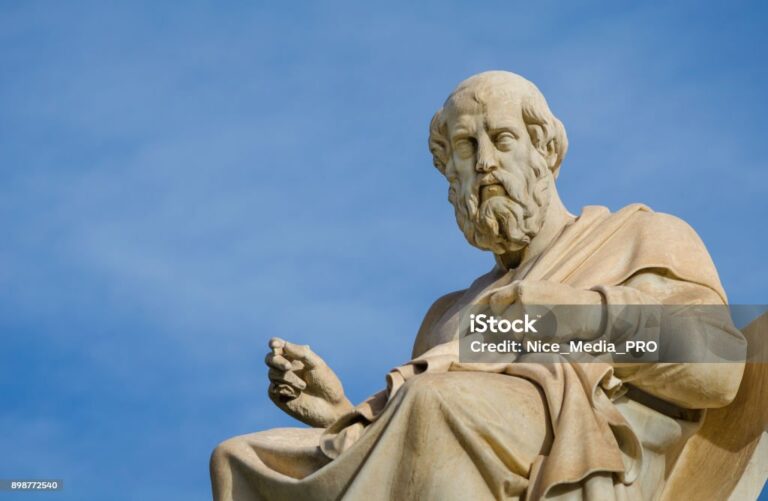
Plato concluded that God never changes. This is what he said, “If (God) changes at all, he can only change for the worse…then it is impossible that God should ever be willing to change; being, as is supposed, the fairest and best that is conceivable, every god remains absolutely and forever in his own form.” (Plato from The Republic Book II (360 BC) from a YouTube video by Tom Burger.)
In other words, “change indicates flaw and imperfection. Therefore, God can’t change,” according to Plato. No wonder Christian theology is so polluted when such pagan ideas dominate. Who says change is always for the worse, especially when we conceive of God? Plato and other pagan philosophers, that’s who. What is most beautiful about the holy and just God of the Bible is His willingness to change His mind and to extend mercy and forgiveness. Mercy and forgiveness reflect a most desirable change in God from the application of strict justice. Being a holy and just God, extending mercy to sinners and lawbreakers, and changing His mind about their condemnation based on their repentance and faith, is a most honorable and glorious act in God. A holy and just God who doesn’t change to exercise mercy and forgiveness, when the conditions have been met, is not a glorious or desirable deity. Plato had it exactly wrong because he assumed that change could only be negative. This is not true, for change can be lateral, good, neutral, or bad. Classical theology and Christian theology, in adopting Platonic ideas about God, went astray and polluted pure Christianity and our understanding of God. They declared that God must be absolutely immutable and unchanging in all things and in every way. That is a fatal mistake in my not-so-highly-regarded opinion.
In my article on the various theories of the Christian atonement, I quote a couple of early church leaders who thought that any viable theory of the atonement must not make God mutable. Many, perhaps most, theologians today agree. In other words, God can’t be seen or understood to change in any way. Isn’t that idea an overly broad definition of immutability? Is that true? Does it make any sense? Is it Biblical?
It is said that God does not change in any way, at any time. He is unchangeable or immutable. There are passages of scripture that state God does not change. We have already reviewed many of them. None of the passages they say support their definition of absolute immutability stand the test. None of their proof texts tell us what Classical Theists and full Calvinists believe they do. A few of their proof texts tell us that, unlike men, God never changes and lies. He always tells the truth, does what He says, and always fulfills His end of the bargain. Their commonly used proof text passages do not tell us that God never changes His mind or that God never changes in any way, at any time, as they proclaim.
That said, there are passages of scripture that tell us the exact opposite of their definition of absolute immutability. These passages indicate that God does change His mind, and not infrequently. We are told that God repents of the evil He had planned. We are told that God changes His mind and reverses His earlier decision or promise. There are at least two instances in the Bible where God repents of something He had done in the past, and eleven times in Scripture, God says He will repent or has repented of something He was about to do in the future.
The two times God is said to have repented of what He did in the past:
“And it repented the LORD that he had made man on the earth, and it grieved him at his heart. And the lord said, I will destroy man whom I have created from the face of the earth;…….Genesis 6:6-7
“And it repented me that I have set up Saul to be king; for he is turned back from following me, and hath not performed my commandments.” 1 Samuel 15:11
The eleven times God says He repents or would repent of something He was about to do in the future:
“And the LORD repented of the evil which he thought to do unto his people. “Exodus 32:12-14
“And when the angel stretched out his hand upon Jerusalem to destroy it, the LORD repented him of the evil, and said to the angel that destroyed the people, it is enough; stay thy hand…..2 Samuel 24:16.
“And God sent an angel unto Jerusalem to destroy it: and as he was destroying, the LORD beheld, and he repented him of the evil, and said to the angel that destroyed, it is enough, stay now thine hand. And the angel of the LORD stood by the threshing floor of Ornan the Jebusite. 1 Chronicles 21:15
“And for their sake je remembered His covenant, and relented (repented) according to the multitude of his mercies.” Psalm 106:45
Jeremiah 4:28; 18:5-8; 26:3, 13, 19, and “If ye will still abide in this land, then will I build you, and not pull you down, and I will plant you, and not pluck you up: for I repent me of the evil that I have done unto you” Jeremiah 42:10
“So rend your heart, and not your garments; return to the LORD you God, for He is gracious and merciful, slow to anger, and of great kindness; and He relents (repented) from doing harm”. NKJV, Joel 2:13
“So the LORD relented (repented) concerning this. This also shall not be, “said the LORD God.” NKJV Amos 7:6
“And God saw their works, that they turned from their evil way; and God repented of the evil, that he had said that he would do unto them: and he did it not.” Jonah 3:10; also see Jonah 4:2
These are the eleven verses mentioned. It is essential to understand that the idea of repentance in scripture is often used without using the actual word “repentance or repent”. It may be referred to as returning, relenting, changing, or amending our ways, or something similar. All of which carry the idea of repentance and change in God and or man. All have the same basic meaning as repentance from sin, which will allow God to change His mind and grant mercy and pardon to repentant sinners.
Does God change?
This is a (both-and), not an (either-or) answer. It is not either God doesn’t change or God does change. Both ideas are true about the God of the universe, according to the Bible, in contradiction to the view espoused by Plato and those who follow him; Augustinian Calvinists. God never changes in His spiritual essence (think of it as God’s DNA), including His holy character; however, God often changes His mind and plans regarding us and what He will do, as well as when He will do it. For example, God changes His mind;
- When sinners repent of their sins and believe in Him.
- When a righteous person prays. God hears and answers their prayers.
- When the conditions about promises are not met. Most of God’s promises are conditional. For instance, God promised Abraham, Isaac, and Jacob land for their permanent possession. God fulfilled the promise, but it was conditional. To maintain the land covenant, Israel must adhere to the conditions of obedience to God’s laws. They did not, and as a result, they lost the land, the covenant, and the blessings of God. God divorced ancient Israel, and that is a vivid picture of a significant change.
You will also notice that some of these verses refer to God being grieved in His heart, implying that He was sorry, angry, or felt compassion. It is clear from scripture that Jesus was often moved with compassion and occasionally moved with anger. Does God feel? Classical theism claims that God is impassible. Classical theism and Calvinism are wrong again.
Impassible. Does God feel?
Classic theism states that God is impassible. He does not feel pain or pleasure. Is that true? Yes and no. Again, this is not “either/or” but “both/and” answer. Yes, God is impassible in that His essence never changes. Moreover, He is not dependent on any other being in any way. God is still God in all His glory, albeit we cause Him such grief, and constantly do. However, the Word of God tells us that He does feel many emotions, just as we do, such as pain and pleasure, which directly contradict Classical Theism. Scripture tells us He is often grieved and even angry by our rejection of Him and His laws. We are also told that God is a jealous God. Does that not convey strong feelings? Scripture also tells us that He relents of His plans and feelings (anger) based on what man does.
And at least one passage in the New Testament tells us that God is well pleased with His Son, Jesus Christ. Matthew 3:17 it is written, “and behold a voice from heaven said, ‘This is my beloved Son, with whom I am well pleased.” Another translation says this, “And a voice from heaven said, ‘This is my dearly loved Son, who brings me great joy.” Matthew 3:17. Someday God will say to the righteous faithful, “Well done, good and faithful servant,” Matthew 25:21. Are these not an expression of pleasure, even joy? Of course they are, if they have any meaning at all. Again, Classical Theism and full Calvinism are very wrong.
As mentioned previously, are we not told that there is joy in heaven when a sinner repents? Is that joy only among the angelic beings? There is no reason at all to assume that. God has joy, along with the angels, when sinners repent of their sins and dedicate themselves to Him. Is that not obvious?
What about the incarnation of the second person of the Godhead? Is that not the most fundamental and dramatic change in God? Did God not put on flesh and walk among us? Of course, He did, if the Word of God is to be believed.
If these passages are not to be taken literally, then what exactly do they mean? If the classic view of God, which is also the Augustinian Calvinist view, holds that God feels nothing and never changes. In fact, the Augustinian view of God is that He decreed everything. Hence, those passages that suggest pleasure, grief, repentance, and compassion are actually meaningless to us who are created with these emotions. How does any of this make sense? We are told that God uses these anthropomorphic expressions and other figures of speech so that we can understand what God is like and comprehend the truth. However, if God doesn’t change or feel, then these passages do not help us understand God at all, but rather make us think God is a person who changes, feels, and thinks in real time, just like us. That is the exact opposite of what the Classical theist and the Calvinist claim God wants us to believe. Doesn’t the creator God of the universe know how to communicate effectively with His creation? Of course He does. Don’t believe their sophistry and misleading rhetoric.
These theologians, who claim that we are not to take these and other passages literally, are greatly mistaken and their explanations are obviously incoherent, are they not? God and the language of Scripture employ various forms of communication. This includes literal language, metaphors, similes, figures of speech, poetry, allegory, parables, and other literary devices. The sophistry of Augustinian Calvinism is legendary. Calvinists often attempt to refute the literal and plain meaning of scripture by telling us that this language is God’s condescension language to us simple stupid people (remember what Augustine and Calvin had to say about this topic?) or that it is an anthropomorphic expression or a figure of speech, all in an effort to shut down the discussion. And it usually does. However, it never makes sense and is obviously flawed.
But some of these passages appear to be contradictory. How are they explained?
As mentioned earlier, the typical explanation for defending Calvinism or Classic Theism is that these passages are merely figures of speech when they suggest that God changes His mind, repents, or is grieved, and so on. They say it is a way to help us understand God’s work as mere humans. In some cases, that may be accurate, but I do not believe it is true in most cases. And most often, that is never demonstrated or proved but declared to help us, mere humans, understand God. Many times, it actually does the opposite. It creates the opposite impression in many of us. That brings us back to the apparent inability of the writers of the Bible (including God Himself) to communicate what the truth about God actually is.
Another explanation concerns the distinction between conditional declarations and promises of God, as opposed to those that are unconditional. God telling Nineveh that they had 40 days before He destroyed the city was, of course, a conditional call of judgment. If the city repented, and it did, God would then not bring judgment (see website Got Questions). God’s pronouncement of judgment was conditional. That conditional aspect is implicit in the beginning of the story and explicit in the passages quoted above. God’s warning was successful, and Nineveh was saved as they repented of their wickedness. Most often, His warnings are not successful, and God has no other choice but to bring judgment, according to this website. I am not sure how the Got Questions website thinks this explains the idea that God is immutable, when the story revolves around God changing the plan based on a change in us. Don’t be surprised when you are given contradictory explanations at the same time.
The Reformed tradition and the full-fledged Calvinistic understanding of God’s nature and attributes differ in some crucial ways. What exactly is the message behind the story of Jonah? If God decreed all things that will come to pass, then what is the message? If Augustinianism is true, then God exhaustively and meticulously decreed that the Ninevites would sin in specific ways. And God also decreed that Jonah would threaten them on behalf of God, who caused and decreed them to sin in the first place. This same God decreed that they would repent after Jonah warned them, and the people of Nineveh had nothing to do with it and no free agency in the matter. And why didn’t God do this for all the other nations? We are left to wonder about that.
Why in heaven’s name would God go through this charade with Jonah and Nineveh? A charade is an absurd pretense intended to create a pleasant or respectable appearance. For what purpose would God do this? If a person actually believes the Augustinian deterministic charade, all passages of the Bible, to the contrary, create nothing but confusion and contradictions. However, most Augustinian Calvinists speak out of both sides of their mouth and hold mutually exclusive inconsistencies simultaneously. A real conversation seems hopeless. It’s like attempting to talk to a progressive.
Augustine incorporated many of these ideas into his teachings, as did Thomas Aquinas. Augustine had a profound influence on Martin Luther, John Calvin, and Jonathan Edwards. Augustinian Calvinism has been very influential for many centuries. As I mentioned, some theologians think Augustine was probably the greatest theologian, excluding biblical writers, who has existed in the last two thousand years. A few others believe Augustine, not Pelagius, was perhaps the most influential heretic over the previous two thousand years. Fortunately, Augustine’s views on the nature and character of God have not gone unchallenged. How can an unchanging and unfeeling God interact with a dynamic world? How can an unchanging, impassible God really respond to the prayers of His saints? Their answer is that God can’t and doesn’t! Put that in your pipe and smoke it.
More on the Sovereignty of God
How can the sovereign God relate to humanity in a way that makes sense? The Reformed and Calvinistic traditions hold to the absolute sovereignty of God. That means God determines, by decrees made before the foundation of the world, everything that happens in the universe. These decrees reflect His exhaustive and meticulous micromanagement of all things. His rule over everything is meticulously and exhaustively being carried out at all times with absolute specificity. God is the author and the effectual cause of all that happens, both good and evil, and nothing is outside of His direct, immediate, meticulous control, according to Augustinian Calvinism.
This is very much like Ash’arite theology in Islam, which embraces an atomistic view of the sovereignty of Allah, which also denies the free will of mankind, as does Augustinian Calvinism. I know they claim otherwise, but they are not being honest about it, possibly unintentionally. Their ‘free will’ is nothing but an ‘enslaved will or a non-free– free will’. They inexcusably change Augustine’s first definition of free will, which most of us naturally assume is the only meaningful and correct definition of free will (ability to say no to God or yes to God, both must be present, or we are not talking about free will). Free will is not just the ability to say no to God, as they teach. Shame on them.
To be more specific about God’s sovereignty and Augustinian Calvinism, mankind is born a sinner by God’s sovereign decree, and men and women are unable to respond to God to be saved. Mankind is born totally depraved and totally unable to save himself. That is the “T” in TULIP. The “U” in TULIP stands for unconditional election/salvation. God alone determines who will be saved and who will not be saved from hell. He did that by decree even before He brought us into existence, which was also decreed. Augustine brought into Christianity in the 5th century a Gnostic pagan idea that people are born sinners and guilty of Adam’s original sin. The Bible contradicts this view in many places. (See my article on Original Sin).
Everything that has happened in the past, is happening now, or will occur in the future has already been meticulously determined by God with absolute specificity. God micromanages everything. There are no exceptions in the visible and invisible world. God does not change; what we view as change is simply the plan of God, which appears mysterious to us because we naturally observe much change. Augustine’s God is the cause of all sin and evil in the universe, and people do not have free will. Humanity has a non-free–free will. We are told that God does whatever He pleases, including all forms of natural and moral evil, all to glorify Himself. Well guess what! The true God would never call evil good and good evil, for it is not in His moral nature. Augustinian Calvinism makes God worse than the devil himself. Therefore, it can’t be true. Even John Wesley, the founder of Methodism, said as much about the God of Calvinism.
In Calvinism, we are repeatedly told things like this that are irrational and nonsensical. God is sovereign, and His decrees determine everything. That everything God determines and decrees is all natural and moral evil. God decrees all this and determines it with exhaustive and meticulous specificity. Yet many leading Calvinistic voices then try to tell us that:
1) God is not the author of sin and evil, when it is obvious that He is and must be the author of all evil, according to their presuppositions, and,
2) Mankind is culpable/guilty for ‘sin’ when God decreed every lustful, covetous, and wicked desire, thought, and act that we will ever commit.
What utter nonsense is this theological system of absolute moral confusion and irreconcilable contradictions? The Calvinist believes that all people are born unable to do anything good, including believing in Christ or repenting of their sins. Moreover, men and women are born sinners with the nature of a sinner who are preprogrammed, by God, to do evil things as much and as often as God has determined with specificity. That is Calvinism. It seems likely that God has given these people over to strong delusion, which is one of a number of possible explanations for their blindness. Other Calvinists may be brainwashed and ignorant of the truth of the Bible and the many irreconcilable contradictions inherent in Calvinism. The Calvinist may foolishly claim that these contradictions are a mystery. But there is no mystery in an apparent moral contradiction. The mystery is that they believe in a ‘holy God’ that is more wicked than the devil himself.
In Augustinian Calvinism, humanity does not truly possess free will, despite claims to the contrary. God decides who will be saved and brought to heaven and who will not. The “L” in TULIP represents the doctrine of Limited Atonement. Jesus died, not for everyone, but only for those that He chose to save, when God could have easily chosen to save everyone. They claim that God receives more glory and honor, but saves only a few, not everyone. Is this explanation not utter nonsense for the religiously gullible?
God saves only the elect by His Irresistible Grace. The “I” in TULIP stands for Irresistible Grace. This view of grace is no grace at all, for either the elect or the non-elect. For the elect, it is justice and not grace. For the non-elect, there is no grace at all and no justice at all.
The “P” in TULIP represents the preservation or perseverance of the elect. The elect will be saved, no question about it, and nothing can change that outcome. God’s decree has settled the issue, and our ongoing wickedness can’t change it. The elect of God will sin in thought, word, and deed daily for the rest of their lives, according to many of these blind guides. God decreed that the elect (born-again Christians) and the non-elect will sin habitually for the rest of their lives. This is the good news of the gospel according to them. This thinking makes a mockery of the gospel of Jesus Christ, who came to save His people from, not in, their sins, Matthew 1:21.
This is what many strict Calvinists mean by the doctrine of sovereignty. Other Christians, like myself, believe God is sovereign over all things in the universe because He owns and upholds everything. However, that does not mean that God meticulously determines everything that happens, especially things we believe are morally wrong. God owns everything and will do with it what He pleases. We agree. But that doesn’t mean God will ever be the cause of sin, evil, or wickedness, for He is holy and pure. God is pleased to share some sovereignty with those people He has created, and He has given us limited sovereignty over our own moral choices, most importantly. Humanity is also sovereign over many non-moral decisions, such as what to eat, wear, and where to live and work. God did not create us as automatons or puppets who are, by definition, unable to love their creator or to do anything that might be called good or bad.
God never, not even for a moment, changes in His essence or His holy character. We can all agree on that. However, scripture tells us repeatedly that God changes His mind and relents when we meet the conditions of repentance and faithful obedience. The Got Questions website agrees on that, but the strict Augustinian determinist doesn’t agree. God never changes in any way at any time, they believe. Therefore, God had already decreed the repentance of Nineveh, and the wording of Scripture that implies God changed His mind is merely a figure of speech, so that we finite beings can understand how the infinite, wise God works. But in what way does this help us to understand God better? It certainly does not help anyone understand God or God’s decrees. If God determined everything from eternity, then why use language that conveys the exact opposite? If that makes sense to you, I wonder about your inclination to gullibility. But maybe your gullibility was also decreed by God!
Do you believe that God answers your prayers? If you do, you think He changes and responds in real time, unless all this is but another charade of God or fate.
If you actually believe that God answers prayers, you are a crazy zealot, like me! Prayer implies that God changes, and we all know that God never changes and He feels nothing because He is immutable and impassible. How can you actually believe that God hears and answers prayers that were not eternally decreed? You must be a heretic of some kind, like me. The strict Calvinist view is that God decrees that you and I pray. Albeit God has already determined what we pray for and which prayers will be answered and which prayers will not be answered. However, their truth is that God never answers prayers, for He lives outside of time as pure actuality (He has no past or future; He is now). God decrees everything that comes to pass, and He did this in eternity. If we pray, God determines that we will pray and what we will pray for. He also determines which prayer He will answer. But keep on praying! If you do or don’t pray, God decreed it all in the past. Unbelievable.
Some, perhaps most, Calvinists tell us that prayer changes us and not God. Does prayer really change us, or was it the decree that changed us, and God decided to use a prayer to actualize His decree? How ridiculous. There is a small bit of truth in the statement that prayer changes us, but it is far from the whole truth and is inconsistent with their view because, in the final analysis, prayer doesn’t change us or God, as God has already decreed or determined everything. The difference between fate and their idea of God is almost nonexistent.
Is prayer to God rational? Yes, it is if you believe in a God who cares about you and what you care about. But if Augustinian Calvinism is true, prayer is nothing more than the decree of God that He determined in eternity. It is a prayer charade. Many Calvinists argue that it is a mystery why God used prayer as a secondary or tertiary means to accomplish His predetermined decree. In Augustinian Calvinism, God is so much like a divine fate machine that it seems very hard to relate to Him and to exert any effort toward knowing God, because that might mean we are trying to work our way to heaven. It seems God is trapped in His decrees and is not free to do otherwise. He is the puppet master, and we are His puppets. And God is a puppet to His decrees. Is that really what God is like? Why bother with the birth, life, suffering, death, and resurrection of Jesus Christ? It makes no sense at all, in my not highly regarded opinion, if things are understood under Augustinian Calvinism or Classical theism.
For my part, I have always believed that God urges us to pray to Him as if it might very well change our present and our future, as well as the present and future of others we pray for. Therefore, I have been known to pray about many things. I do not think I am alone in that. Let me give you a personal example. I prayed that one of my daughters would have a son, based on her husband’s request. I prayed, and that night God told me that she would have a son. God also told me the very name she would give her future son, even though she disliked that name and had told us so. A few years later, that prayer was answered with specificity. When my daughter became pregnant with her third child, God gave her a dream. In that dream, she was given the name of her unborn son, which she had rejected previously. That name just happened to be the name I was told a few years earlier. Was that an extraordinary coincidence or a sign from God?
There are two possibilities. First, God does change, and God answers prayers in real time. He answered my prayer just like I believed He would, based on the explicit promises of scripture. If I am not mistaken, God actually hears and responds to our prayers. The second possible explanation is that God decreed that on a specific day, at a particular time, my son-in-law would ask me to pray for a son, not a daughter. God had already decreed the name of my grandson and instructed me to pray about this matter at a specific time, and that my daughter would change her mind about the name of her son by receiving a dream. God orchestrated, by decree, all of this, even though I was under the impression that God actually hears our prayers that come from our hearts. Now, which is more believable to you? I gave but just one personal prayer that God has answered for me over the years. I could talk about many others. In Scripture, we find many examples of answered prayers by the people of God, and we will consider some of them in this short article.
God answers our prayers, and if we did not pray, there would be no answer. Jesus taught us to ask, seek, and knock. Was He actually misleading us, knowing that asking, seeking, and knocking would not actually accomplish anything that God had not already predetermined? Is it heretical to believe that God cares about the things that are important to us, as any good earthly father would? The entire Bible contains hundreds of examples of the purpose and power of prayer. Based on prayers, God intervenes in our world in real time. Prayer changes us, prayer changes God’s mind and plans, and prayer changes things, even the course of future events.
Another example in the Old Testament, one of a great many, is the story of the good King Hezekiah. He was taken ill. The Prophet Isaiah was sent to the king to tell him to get his house in order, for God said, through the Prophet, he was about to die. Hezekiah prayed to God earnestly and asked God to spare his life. God told the Prophet Isaiah to return and tell the righteous king Hezekiah that he would live another 15 years. In the story about Hezekiah, the king asked for and received a very remarkable sign from God. The shadow went backward 10 degrees. Why not take this at face value? Or are we to believe that God decreed all these steps beforehand, only to make it look like He actually heard and answered the King’s prayer? Was this just a charade? That is preposterous in my opinion.
God asked the new King, Solomon, what he wanted God to do for him. Solomon asked for wisdom. And because Solomon did not ask for things such as riches, God told him that he would receive riches in addition to the wisdom he had already asked for. Was this a real interaction between God and Solomon, or was the writer simply using a figure of speech to convey that message that God had already determined everything that pertained to Solomon: what Solomon would ask and what God would do? Do you really believe that?
In 2 Chronicles 6, Solomon prayed again to God, as if God were interested in his prayers and would actually hear and answer them. Solomon uses this phrase in verses 23, 25, 27, 30, 33, and 35, “Hear from heaven and do.” Solomon the wise prayed that if God’s people sinned and forsook God and God sent judgment on them, and if they repented of their sin, Solomon asked God to “hear from heaven and do.” Hear from heaven, forgive and save His people if they turn from their many sins against God. Again, if words mean anything, this interaction was not a theatrical performance but a genuine exchange between God and King Solomon. There are literally hundreds of such examples in the Word of God, and all of them make it clear that God invites our prayers and that He answers prayers. The fervent prayer of a righteous man or woman avails much is a promise in the New Testament known by most Christians. If everything is already decreed and determined in eternity, then this promise is empty rhetoric and holds no meaning.
We are created in the image and likeness of God.
The Word of God tells us that we can please God, and that we can disappoint and anger God. We can grieve the Holy Ghost. These statements involve both emotions and the mind and will. If God feels things, does that mean He is somehow deficient? If you are a strict determinist, then it probably does mean that God is weak and imperfect.
If being made in the image and likeness of God doesn’t mean that we have the capacity to think, feel, and will (make decisions) like God, then what exactly does it mean? Are we not His image bearers?
If you read scripture, at face value, it is not possible to believe that God is outside of time, or that He is never moved emotionally. The strict determinist and Classical theist can’t accept that God has emotions, as it implies change and weakness. But scripture is clear. At times, God is angry. At times, He is well pleased. Yet, some believe that emotions never move God. But what about the many times that Jesus was moved with compassion, and He healed or fed the people? These theologians think that ascribing emotions to God makes Him less than what God must be according to Plato’s standards.
But I think they are all wrong because their deterministic theism is born in pagan philosophies and violates the plain meaning of the Bible. God loves His children and His enemies alike, and this love involves both His emotions and His general benevolence or goodwill. A God without feelings is a God that is very difficult to relate to and trust. Feelings and emotions are part of the image and likeness of God that He gave us, as they reflect His nature. Is that not true? If being created in the image and likeness of God doesn’t mean this, then what exactly does it mean? Knowing that God feels is a great joy and blessing. Turning God into a Star Trek character, such as Dr. Spock, is not a positive development.
Even though God has feelings, it doesn’t mean that His essence is adversely affected by His encounters with us, most of which are not good. Humanity disappoints, angers, frustrates, and offends God, most of the time. But God is love and slow to anger. Love is a moral virtue. God loves His enemies and much prefers mercy over judgment. The God of Scripture freely chose to create beings in His image and likeness, so that He might share His love with us and that we could appreciate it and reciprocate. God also created us so that we could freely love God back. God could have made a universe of puppets incapable of true love. It is obvious why He did not.
What else should we know about our God?
Open theism and dynamic omniscience are currently being discussed extensively. Calvinists despise the very idea of a God who is open and changes. Calvinists believe that God decreed everything that comes to pass before the creation of the world. In their belief system, God is closed, and things have already been determined with exacting precision by God. Everything is caused by Him and for Him, or how can it be said that God is sovereign and in control? God is not open and is never caught off guard, surprised, frustrated, or joyful because He is atemporal (God is independent and unaffected by time) and is above all these emotions because that implies He can and does change. And all change implies imperfection according to the Platonist and Calvinist (I repeat myself). The God of Calvinism is a God who is not free but is bound by a set of His decrees. Did the decrees come first, or did God? Could the decrees and God be co-eternal, like in Islam? The God of Calvinism is, at best, a cruel fate machine. The God of Calvinism is not a God of love, grace, truth, or justice, notwithstanding their arguments to the contrary. I could go on and on.
Open and Closed Theism
Open Theism, as opposed to the closed theism of Classical Theism and Calvinism, is the belief that God does change and that He is not static. A simple Google search reveals a view of both “Open theism and classical theism offer contrasting views on God’s relationship with the future and human free will, with open theism suggesting God’s knowledge of the future is dynamic and flexible, while classical theism posits a fully sovereign God with a predetermined future.
God’s knowledge
In classical theism, God knows all things, including the future with certainty, as God is fully sovereign and has predetermined all events. Open theists believe God’s knowledge of the future is not exhaustive, as the future is “partly open” and influenced by human free will.
God’s sovereignty
In classical theism, God’s sovereignty is absolute, with nothing surprising or thwarting His plans. In Open Theism, God’s sovereignty is seen as coexisting with human freedom, meaning God’s ultimate plans can be and sometimes are adapted based on human choices.
God’s nature
Classical theism often emphasizes God’s absolute immutability, impassibility, and eternity, suggesting God is unchanging and unaffected by the world. Open theists emphasize God’s love and responsiveness to His creation, suggesting God experiences a range of emotions and learns from events.
Key Figures
Edward Feser and Sam Storms are two prominent figures associated with classical theism. Two prominent open theists are Dr. John Sanders and Greg Boyd.” Taken from a simple Google search.
It is essential to recognize that there are numerous variations on each view; however, this appears to be a reasonable overview for this brief review of the subject. It is clear that Classic Theism and Augustinian Calvinism are mostly identical. From my studies of scripture, I must reject both Classic Theism and Calvinism. I guess that means I am an Open Theist, even though I may not agree exactly on all points. Add that to the other heresies that I supposedly believe in. I wonder, am I a triple or quadruple threat to the gospel?
I would not be surprised if Calvinists thought I was beyond the possibility of salvation because I reject most of what they believe. What we say we believe is essential, but how we actually live is more important and will determine where we spend eternity. I am hopeful that some Calvinists, both full and partial, live above what is permitted in their doctrines. If they live in genuine and actual holiness, they are saved, despite what they claim to believe. If their lives are characterized by habitual sin, they are lost, despite what they believe.
It is essential to recognize that Platonists and Calvinists hold that God is absolutely sovereign, impassible, and immutable. The future is not open at all; it is already settled, closed, and fixed according to God’s decrees. All that Open Theism posits is that God is partly open to the future; therefore, the future is not absolutely fixed and closed. If the Open theists can prove that the future is not absolutely 100% predetermined, in even just one instance, then the Classical theist and Calvinist are in great error. The Open Theist believes God is sovereign, impassible, and immutable, but not absolutely so as Classical Theism and Calvinism define these terms.
Dr. James White, of Alpha and Omega Ministry, and Tim Barber, author of the book titled “The Overlap Life,” had a debate. Tim, a proponent of Open Theism, made this point explicitly clear. Dr. White must prove that 100% of the time, God knows the future perfectly. If Tim could demonstrate, even once, when the Bible makes it clear to the contrary, he would win the debate with Dr. White, a full Calvinist. Dr. White states that he is not a determinist but is a decree-tilist (not sure there is such a word even though he uses it), which seems to be a distinction without substance.
After Dr. White gave his opening statement, Tim gave his opening comments. The debate is about this question? Does God know the future exhaustively and perfectly? White doesn’t believe that the future is at all open. The future is closed. Most classical theists and Calvinists believe that the future is already determined and can’t change at all. They are the determinists.
Tim reminds us that there are three deterministic blueprint views: Molinism (utilizing middle knowledge to reconcile free will and God’s sovereignty), Calvinism, and Arminianism. But scripture repudiates all three of these views and tells us that God does change His mind and plans based on changing circumstances and the prayers of His saints. The three blueprint views of the future picture God, who is trapped by fate or His own decrees, and can’t stop any future evil because He has already predetermined and decreed it to happen. Open theism believes that some part of the future is not irrevocable and can be changed. All he has to do is substantiate that at least a little of the future is open (not determined, closed, and settled). It refutes the Calvinist view of the future being absolutely settled down to the detail (no rogue molecules). If there is even just one event in Scripture that was open, then Calvinistic determinism is refuted. God is wise enough to know of all the possibilities that are open to us and intelligent enough to know how to respond to each of those possibilities. In this way, God is omniscient according to the Open view.
In the Calvinist view, God decrees every act of good and of evil with specificity. James White and the late R. C. Sproul, along with many others, hold this view. Tim stated that the Calvinist must answer to everyone about the evil of war, slavery, and child sexual abuse, and so on, that is the history of the world. Why would God decree these “evil things?” Calvinists usually answer that question with a pitiful explanation such as: God decrees all this evil to bring glory to Himself. How exactly does all this evil bring glory to God? They never really provide an explanation that is reasonable and believable. Tim agrees that all that happened to Jesus, happened exactly as God ordained and planned it. But that does not mean that everything else happens according to God’s decrees. Does all of the Bible prove a single and fated future that God is unwilling or unable to change? Heavens no, it does not. Here are some examples.
Does the Bible depict a fated future, or does it describe a worldview of warfare? If the future is predetermined and unchangeable, then God is both the fireman and the arsonist. God lights the fire and then extinguishes it. If the future is simply the outworking of God’s decrees, then God is both the criminal and the police officer. If the future is predetermined, then God instigates wars and then ends wars at His will. Scripture reveals that God is the warrior who fights against the powers of darkness and defeats them (1 Corinthians 2:7-8). Are we to believe that God decreed the powers of darkness to begin with? Paul says we speak the wisdom of God in a mystery; that is, if the rulers of this age had known the wisdom of God, they would not have crucified the Lord of glory. Is this not describing a partly open future?
Another example is the story of good King Hezekiah, who God told to get his house in order, for he was going to die and not recover. That is what the prophet told the king. The king prayed to God, not believing his death was unchangeably fated or settled. He asked God to spare his life and give him more time. God heard his prayer and gave him an additional 15 years. Does Dr. White believe that God was lying when He said that Hezekiah was about to die? Does this story about Hezekiah not clearly and unmistakably proclaim that some of the future is not settled and that God can and does change His mind?
In Genesis chapter 6, God repented (changed His mind) that He had made man, because of the evil that they were doing. Dr. White interprets that to mean “God sighed deeply but did not change His mind” as if that negates the truth that God regretted that He had made man. God was unhappy with their wicked behavior. But if God predetermined that they would do all this evil, then how can God regret or be disappointed in what He Himself decreed? It makes absolutely no sense whatsoever, does it?
God said at least twice that He regretted having made Saul King over Israel. Saul first rejected God, and then God rejected Saul. God is not a man that He should lie, and therefore God will not change His mind about rejecting Saul as King. Do you understand this? God repented (changed His mind) that He had made Saul King. God then says that He will not change His mind about replacing Saul as King. And yet Calvinists want to use the phrase “God will not change His mind” to prove that the future is a settled line and cannot be altered, despite this statement being about God changing the king from Saul to David, because Saul failed. Remember, the Jews rejected the Kingship of the LORD in the first place, so God picked Saul to be their first King, but that was not God’s plan for them. God let them reject His plan for their plan, and that was to have a king. God picked Saul, who then failed the tests, and God rejected Saul as King. Moreover, God refused to reconsider (i.e., change His mind about rejecting Saul as king). These are outcomes God did not want or desire. God did not want to make a man King, but Israel demanded it. God did not want for Saul to fail and be rejected. But God, in His sovereignty, let Saul choose to be faithful or not. God wanted Saul to be successful, but Saul rejected God’s lordship.
And on and on it goes. In Isaiah 1, God said that He had done everything He could to produce good fruit from the vine of Israel, but instead, He received bad fruit. How does that make sense if God eternally determined that Israel would produce bad fruit? A better reading is that God did all He could, and yet Israel refused to serve God. God was disappointed and angry at their stubbornness. God destroyed Israel for their impenitence. They could have chosen to obey and love Him. That is what God wanted. If that is really what God wanted, then the fact that it did not occur is proof that the future is not settled. The future is partly open, and it depends on what mankind does or doesn’t do.
God said to Abraham, “Now I know that you fear me and love me since you have not withheld your only son.” Abraham was willing to sacrifice his son, Isaac, as God ordered. God says He came to this sure knowledge based on the actions of Abraham.
In Jeremiah 19:5, it is written, “They have also built the high places of Baal, to burn their sons with fire for burnt offerings unto Baal, which I commanded not, nor spake it, neither came it into my mind,” emphasis added. This is one of the reasons God was going to destroy Judea and Jerusalem. If this passage can be interpreted literally, then it must mean that the Holy God would not put up with the wickedness of His people, which was so vile that God was surprised at how depraved the Jews had become in their worship of the idol Baal.
A typical Calvinist explanation of Jeremiah 19:5 is that such practices are abhorrent to God and utterly contrary to His revealed will.
- According to the Calvinist, the phrase “it never entered my mind” shows how utterly alien such sin is to God’s holy nature.
The Calvinists don’t want us to remember the truth of their position, which is that God Himself decreed these sins, including the murder of their children, with specificity. This is the will of God that they do these things. For them to say that this evil is “utterly alien to God’s holy nature” is absolutely deceptive. This evil comes from the hand and mind of God first, according to them.
- The Calvinist then goes on to talk about the different wills of God, His Decretive Will and His Preceptive Will. His decretive will (hidden will) determines whatsoever comes to pass, and His preceptive will reflects what God desires from His people.
This distinction between God’s two wills is bogus and intentionally deceptive. God’s decretive will is, in fact, the truth of what God desires from His people. To imply that God truly desires holiness from His people but at the same time has decreed their wickedness is such a farce that it is hard to believe any thinking person could accept it.
- The Calvinist goes on to say that even if God allows evil to occur within His sovereign plan, it doesn’t mean He approves of it morally or commands it.
Another deceptive response from the Calvinist and Classical Theist. God allows nothing for He decrees everything. If God really allows evil, then the future is open, but they demand that the future is closed. If God decrees evil, then He does, in fact, morally approve of it and command it—the exact opposite of what they claim.
- Calvinists insist that we sin freely and willingly, not because God causes us to do evil, but because of our depraved hearts.
Another deceptive response from the Calvinist, for they do not really believe that humans can do anything other than what God has decreed. We are not free, and our willingness is clearly not willingness, for we have no choice in the matter. God decrees everything we do or do not do. God is the cause of all evil and good in the universe. But why is anything called evil if it reflects the will and desire of God?
- The typical Calvinist states that the fact that Israel chose to engage in these detestable practices reveals the depth of their depravity and rebellion, not any flaw in God’s will or justice.
I repeat myself; the typical Calvinist response is utterly ridiculous and deceptive. Israel did not choose to engage in these detestable practices. God decreed these evil practices. They had no choice but to act in accordance with God’s decree.
- The Calvinist response regarding the phrase that this evil never entered the mind of God is to be understood as anthropopathic to help us better understand God. It simply means that such an act of idolatry is so morally foreign to God that it is as if He never even conceived of it, not that He literally lacked knowledge of it. They say this verse asserts man’s responsibility for the evil they do.
Suppose you have read this paper or my other articles on Calvinism. In that case, you already know that the Calvinist would attempt to tell you that this expression (it never entered God’s mind) is anthropopathic or a figure of speech. The Calvinist insists that this figure of speech “simply means that such an act of idolatry is so morally foreign to God it is as if He never conceived of it.” Never mind the truth that the Calvinist insists that God ordained or decreed all this evil with specificity, so how morally foreign is it to God? What duplicity. The Calvinists believe the future is closed (like Classical Theists), and God knows all that will come to pass. That is what His omniscience means. The future is not open.
Moreover, the Calvinists will fall deeper into the pit and claim that humans are, despite everything they claim, morally responsible for the evil that God has decreed them to do. Unbelievably shallow and ridiculous is the best I can say about this theology. It makes God out to be the consummate evil in the universe; therefore, it is not and can’t be true.
The Calvinist response continues to deceive and ensnare the gullible. They say such idolatry is foreign to God, but forget to mention that God decreed all of it with utmost specificity and effectually. Why would they forget or neglect to say something so very important? To deceive the unsuspecting is the only answer I can believe. How about you?
These are just a couple of examples of the many that might be quoted that prove that the future involves possibilities and is not predetermined or fated by God. The future is not perfectly settled and does contain possibilities. God’s omniscience must be open to those possibilities. The future may be less than 10% open, but even if there is only one example, Dr. White’s position is refuted because he claims that the future is 100% determined, like all those who hold this view. I find it impossible to believe that the future is entirely predetermined and fixed by God. Dr. White strongly disagrees with that idea of fate because fate is impersonal. And we know that God is a person (therefore, there is no fate, only determinism), but the result is still the same, and it looks precisely like fate.
Dr. White, like many others, has their favorite proof texts that tell us God never changes His mind and God determines whatsoever will come to pass. We have looked at most of this already. The proof texts and their explanations do not satisfy my mind. But they do for many other Christians. Let every person be convinced in their mind. Let us consider the following article.
Another article on open theism
According to an article written by Elias Ayala dated January 16, 2018, Open Theism does not believe that God knows the future. That might be true for some Open theists, but not for all. God knows the future as He is omniscient. He knows our character, all the ifs, maybes, and all the possibilities, but doesn’t cause the future as in Classic theism and full Calvinism. Some believe that God’s foreknowledge does, in fact, know all the future in exhaustive detail. If so, are they still Open Theists?
Knowing what free moral agents will do is not the same as decreeing what they will do. God knows what free moral agents will do, but He doesn’t cause their choices as in Calvinism. In addition, God leaves some aspects of the future open and others closed, outside of human free will. In Classical theism and Calvinism, none of the future is open; all of it is already settled.
The author acknowledges that the appeal of Open Theism lies in its ability to provide a more satisfactory explanation for the existence of evil in the universe than does Classic Theism and Calvinism. If God doesn’t know the future or if God does (through foreknowledge) see the future but doesn’t cause it, He is not responsible for the evil that men do. Open theists believe that God created a universe of moral agents based on the supreme objective of introducing love as the preeminent virtue in the universe. In Classic theism and full Calvinism, God is the ultimate cause and source of all good and all evil. Therefore, how does one justify God as He is the determining factor in all the evil? The author states that the Open Theist, 1) sacrifices the Biblical truth of scripture in doing this. 2) He also states that Open Theism sacrifices the sovereignty of God as well, meaning that God is no longer in complete and absolute control of the universe.
With respect to the author’s first objection that Open Theists sacrifice Biblical truth, it is simply a matter of opinion. I am convinced that the Classic theist and the Calvinist more obviously sacrifice Biblical truth in their false beliefs. We have gone over many of their proof texts in this article. And as to his second objection, that Open Theism posits a God who is not absolutely sovereign, that is equally false. The sovereign God of Open Theism created a universe in which moral agents would have the free will to either love and serve Him or not. He most certainly did not lose control; instead, he delegated moral decisions to his children. Love requires that. And that is what He, the sovereign God, wanted all along. All things are working out exactly as He wanted them to, despite the many disappointments. For many Calvinists, sovereignty means absolute, meticulous, exhaustive, and effectual decrees, which eliminate man’s free will (therefore man’s responsibility for sin and evil) and place all the blame for evil at the feet of God, notwithstanding their constant denials. How does all this make sense? What exactly is the will of God?
From my study of scripture, I identified three dimensions to the will of God.
1) God’s desired or preferred will. This is what God would like to see happen, given the freedom and sovereignty He gave to humanity. God is “not willing that any should perish but that all should come to repentance” is one example, in 2 Peter 3:9. This is not a statement about God’s absolute sovereign will that no one perish, for we are told in other scriptures that only those who repent and believe are justified and saved. This is about what God desires and prefers, not about what He determines unilaterally. He would like to see all people come to know Him, for He died for all of them. Also, the commandments express God’s desired or preferred will for His creation, for their good. God knows that if people would only trust Him and obey His laws, they would have heaven on earth.
2) God’s optional or permissive will. Obviously, this dimension is closely related to number 1 and a subset of it. God allows free moral agents to do want He doesn’t desire or prefer. God allows us to disobey His laws and His will. This is the source of evil in the universe, and it comes from mankind and not God, even though God allows it, but doesn’t desire it, prefer it, or require it. Why? In love, God created us to love Him back. That means that love must be freely chosen by us. That, in turn, means we must refuse sin and self-gratification. God could have created us robots, but He did not, for love is voluntary.
3) God’s required or non-optional will. Someday, all of us will stand before the judgment seat of God for the deeds we have done in the flesh. No one is exempt and can opt out. Many things happen according to God’s will, which He brings to pass without anyone’s permission or cooperation. The incarnation, life, death, and resurrection of Jesus Christ are examples of this. The conditions of salvation are also examples of what God requires. It is not optional. We must repent of our sins and believe in Him.
For the full Calvinist, the will of God is only one dimension. The will of God or the Sovereignty of God determines everything that happens in the physical and moral universe He created, down to the atom and all the decisions people make. Human decisions and actions are all part of God’s will or decree; therefore, God, not we, makes those decisions. That includes all that we would call good and evil. It is all the will of God. It is what He wants, prefers, desires, and demands. In this, there is no permission or options. God is both the arsonist and the firefighter at the same time. He is the source and cause of all good and evil. I do not believe that is an accurate reflection of the God of the Bible. I think it is an abhorrent position.
Let us return to the author, Ayala, who gives five reasons why Open Theism is wrong and unbiblical. We will consider each of them. The first reason is, “It (Open theism) fails to take seriously the purpose of anthropomorphisms in scripture.” The author is not a very good Classic theist because he apparently forgot that God is outside of time. He says that an anthropomorphism is an attribution of human characteristics to God. But he then says that “God has chosen to interact with His creatures in time, and hence, there is give and take interaction between God and men, even though, from a divine perspective, God knows all things before they happen.” Again, in Classic theism, God doesn’t change at all, at any time, for any reason. Therefore, the immutable God doesn’t change and is impassible, which means there is no interaction between God and men in time. Moreover, he attempts to persuade the reader that just because “God knows all things before they happen,” it doesn’t mean that God Himself causes all things before they happen. This is why He knows them perfectly, which is a key tenet of Classic theism and Calvinism.
Worst of all is his claim that Open theists “do not take seriously the purpose of anthropomorphisms in scripture”. His use of the story about Adam in the garden with God fails miserably to demonstrate anything that actually refutes Open Theism, in my opinion. His response clearly suggests that he is, at best, an inconsistent Classical theist. His word salad explanation is inadequate. Classic theists employ this anthropomorphism explanation to avoid providing a coherent explanation for their biblical interpretation. When reading the Bible literally and it contradicts the Calvinist and Classical Theist interpretation, then it must be an anthropomorphism, and the plain meaning must be rejected, as that would destroy their beliefs. That is the use of anthropomorphism by Classical Theists and many Calvinists.
Reason 2 why Open Theism is wrong is that “It teaches that God can make mistakes. Because He does not know the future, even with God’s immense power and knowledge, it is possible, therefore, for God to miscalculate the logical outcomes of free will decisions and choices and hence not get the results He desires.” He is wrong again. Open theism teaches that God can be and often is disappointed in the free will choices of mankind. However, the author fails to specify exactly what the results God desires are, while telling the reader that God doesn’t achieve the results He desires in Open Theism. That is a very unsatisfactory, almost pathetic, explanation don’t you think? What if God desires the result that men and women choose to love and obey Him of their own free will? If that is what God desires (children who love Him freely), then He has made no mistake and got exactly what He desired. God knew the risks associated with giving humans a free will.
Reason 3 is that Open theism, “Overemphasizes God’s attribute of love.” Why is that a problem according to the author? It is dangerous in that Christians, in overemphasizing one attribute (love), do so at the expense of God’s other important attributes. Most Christians know that God is more than just love. They know God is holy, pure, that He is light, truth, He is righteous, just, impartial, and so on. To say God is love is to forget that He is much more than that, according to the author. Open theists, by focusing on the love of God, ignore what the word of God says about the fullness of God, and this is a mishandling of the truth, according to this author. Open theists undermine what the word says about God’s holiness, righteousness, and judgment. Worse yet, according to the author, is that some Open theists actually believe that free will is a prerequisite for love, as they define love. All this theological nonsense from a Classical theist who overemphasizes the immutability and impassibility of God and completely disregards the love of God and the word of God in doing so.
Reason 4 that Open theism is wrong is that “Open theism implicitly sets scripture against scripture”. The author then goes on to provide the reader with his proof texts, which clearly state that God does not change. These texts are Exodus 32:14, which states that God changed His mind, and Numbers 23:19, where it clearly states that God doesn’t change His mind. This is a contradiction if the Bible is taken literally, according to the author. To avoid contradictions like this, the broader context must be considered, and it is implied that Open theists often fail to do so. That, of course, is not true, but it sounds like a problem. This is another very unsatisfying, even pathetic, objection, is it not? Open theists do consider the immediate and broader context, which is why they reject Classic theism and full Calvinism. The author apparently has never thought that both might be correct, and it all depends on the context and the meaning of the words. God is both mutable and immutable. The essence of God and His moral character are unchangeable (immutable), but God is often mutable in that He changes His mind and plans from time to time, and He actually does answer the prayers of His saints.
Reason 5 that Open theism is false is that “It seems that Open theism is more concerned with answering a particular theological and philosophical puzzle as opposed to allowing the scripture to speak for itself.” Open theists interpret scripture in a way that allows them to resolve what they perceive as a theological or philosophical problem or difficulty with Classical theism (for instance, the problem of evil in the universe). The author says we must first let scripture say what it says and then believe it, even if that creates those difficulties and problems. Therefore, when the Classical Theist and hyper Calvinist tell us that God, in His decrees, is the sole cause of all the good and all evil in the universe, we must believe their twisted and erroneous interpretation of scripture and learn to live with the contradictions and moral issues it creates. They refuse to admit the obvious, that Classic Theism creates a God who is worse than the devil. Live with it, for the author says, because that is precisely what the Bible teaches, even when you know that is not true. However, when it comes to the numerous passages of scripture that clearly indicate God changes His mind and plans, and that He answers prayers in real time, we are not to live with that. We are to call it an anthropomorphism and live with that false belief. How convenient of him.
All this sounds so much like the progressive political elites today. Take the COVID-19 vaccine or else. Accept the idea that there are many genders, not just two, or else. Believe them when they tell you that climate change is an existential threat. And then believe them when they tell you how the threat must be dealt with. Do not question them when they tell you that homosexuals are born that way. And what about the pedophile, are they too born that way? And on and on it goes. The Calvinist, the Classical Theist, and the political progressive elite offer us an Orwellian 1984 explanation that some of us red pill takers refuse to swallow.
What are some of the attributes of God?
This is a list of many, not all, of God’s characteristics or attributes. The Augustinian Calvinist definition is the Classical view of Theism, which I believe is wrong and unbiblical in significant ways.
- Infinity (God is limitless and boundless. He is not restricted by time, space, and matter.)
- Simplicity (God is not made up of parts, but all is one. His essence and attributes are His unified being.) I may look into this one more closely at a later date.
- Indivisibility (God is not made up of parts; this is like the attribute of simplicity.)
- Uniqueness (God is the one and only creator of the universe. There is only one God.)
- Immutability (God does not change at any time or in any way. We have already addressed this issue and refuted their notion of absolute immutability. God does not change in His essence, but does change His mind and plans based on our repentance and our prayers.)
- Eternity (God has always been in existence. He has no beginning or ending. God is outside of time, which is not true.)
- Omniscient (God is all knowing. Determinists believe that is true because God decreed everything. But is His omniscience static or dynamic? See below for a discussion of omniscience.)
- Omnipresent (God is everywhere)
- Omnipotent (God is all-powerful)
- Sovereignty. (God micromanages all things in the universe, both physical and moral. Open theists and others do not believe God micromanages all things, but is sovereign.
- Essence. (God is not substance or matter. God is spirit.)
- Holy (If Augustinian Calvinism is true, then none of these moral attributes that follow have meaning.)
- Love
- Light
- Merciful
- Kind
- Gracious
- Faithful
- Truthful (If Augustinian Calvinism is true, then it is difficult to believe that God is truthful.)
- Patient (In Augustinian Calvinism, what does patience even mean?)
- Just (If God decided who will and who will not be saved, then God is not just if you are one of the unsaved or one of the non-elect.)
- Wise (If Augustinian Calvinism is true, then wisdom has no meaning.)
Open Theism, Foreknowledge, and Dynamic Omniscience
Open Theism believes that God knows everything knowable (He knows all the facts (past and present) and is omniscient. The future doesn’t exist yet. God knows all the possible outcomes because He is infinitely intelligent. But that doesn’t include what moral agents will do before they do them, which is the hang-up for those who espouse Classical Theism/deterministic theism and static omniscience. In Open Theism, God knows that a person’s future decisions can be predicted based on their character, but does not know them definitively until that person makes them. Open Theism argues that God doesn’t have complete foreknowledge of the future, particularly regarding human choices. God is open to those decisions made by people, and the all-wise God responds accordingly. Open theism teaches that some aspects of the future are not predetermined but contain future possibilities. God determines some of the future, but not all of it. There is genuine free will operating in the universe. Those who disagree with Open Theism believe that: 1) it limits God’s sovereignty, 2) it is unbiblical, and 3) it implies that God changes and is not omniscient.
What does it mean when we say God is omniscient?
The dictionary definition of omniscience is the state of knowing everything, of possessing all the knowledge there is. However, in the context of religion, it assumes a deeper meaning. It includes knowing all the past, present, and future. How does God know or see the future? These are the possibilities as far as I can tell.
1) God determines all of the future, which is what Classical Theism and full Calvinism believe. Some call this the blueprint view. God knows the future because He is the only sovereign in the universe, who decrees whatsoever comes to pass in the natural universe and the moral world down to the smallest detail. There are no rogue molecules, as R. C. Sproul put it. God is the source of all good and evil in the universe.
2) God doesn’t determine or decree all events (God determines certain things but not all things), physical and moral. Still, he has exhaustive foreknowledge of what will actually transpire due to the free will of humanity. Human free will is free, but God foreknows what we will do before we do it. God seeks to guide and influence His children. I think this is the common view of the early church. But God doesn’t cause or determine it.
3) Like point 2 above, God doesn’t determine or decree all events, but some of them He does. God knows all the facts and all the what-ifs, maybes, might-be, could-be, but He doesn’t know what people will actually do before they do it. His foreknowledge of the future doesn’t include knowledge of what we will do before we actually do it. God knows our character and knows the likelihood of what we will choose, but that could change. After all, how does a sinner ever become a saint? I see three possible answers to that question: A) God makes us a saint without our willing cooperation, because we are born totally depraved and totally unable to save ourselves, or B) God literally foreknows what we will do. Abraham’s test was real when God asked him to sacrifice his son Issac. God then said, “Now I know…..”, which creates a problem since God literally foreknew what Abraham would do. I guess that statement from God could simply mean that when Abraham was just about to kill Issac, God knew in actual time and literal experience that Abraham loved Him, or, C) God finds out what we will do in time. Abraham’s test was real when God asked him to sacrifice his son Issac. God then said, “Now I know….” The problem with this scenario is that God knew Abraham’s character before the test, and based on that, God was not surprised at what Abraham did. However, the decision was Abraham’s, not God’s.
In some respects, it is actually cleaner to believe the first option (God decrees everything) than either the second or third option. That is, until the entailments of the first option are considered and understood, for the first view makes God the author of sin and evil in the world. No matter what the proponents of that view say to the contrary, nothing I have heard has convinced me that it is not true that God is the source and author of all evil and good. The second and third options create philosophical issues but are more Biblical and reasonable than the first option. The second and third options are nearly identical, aren’t they?
I watched a YouTube video between Warren McGrew, host of Idol Killer, and Dr. John Sanders, author and theologian from the Open Theism viewpoint. Sanders told the story about a friend of his. It was a story about the death of his friend’s mother. Dr. Sanders told about the comfort his friend got from the idea of the Augustinian Calvinist understanding of God’s decrees. His friend exclaimed that it was such encouragement to him, as a young man, to know that God was the cause of his mother’s death, and she did not die for no purpose. God had a purpose in killing his mother, even though the young man was not sure what the purpose was. Without knowing this truth, “that God caused his mother’s death,” he might have slid into a depression. The story caught me off guard, for I immediately laughed at what appeared to me to be such an absurd thought. How could this young man get so much comfort knowing that God took his mother’s life prematurely, but not be absolutely horrified that God killed his mother prematurely for His glory, which devastated his father and siblings! How is that possible? I do not doubt the facts of the story, but I am near speechless about his friend’s comment. Is that the only way to understand this Biblically? No, it isn’t.
In this life, there can be little comfort in losing a child or parent to death. Am I crazy to think that it might actually be easier to deal with, if the cause of his friend’s mother’s death was an accident, a criminal act, or a disease, rather than God’s determined plan to kill that loved one for His glory? Personally, I find that explanation more reasonable than believing that God killed his mother for His glory. How about you? The Bible tells us that man brought sin into the world and death through sin. God did not bring death into the world. Death is something Christ conquered for us. Death is not something God originated, and it is not what God wanted for us.
Dynamic Omniscience. How does God know the future?
Over time, there have been 4 (four) different views about this subject of God knowing the future. What does God knowing the future actually mean? These are the four views:
1) The Augustinian Calvinistic view of the future is that it is exhaustively and already predetermined by God in eternity past, and,
2) the foreknowledge view of the future expressed in the Bible, meaning God knows what free will people will do in the future, and,
3) the middle knowledge view of the future, which suggests that God uses second causes to bring about the future, and,
4) and the open view of the future, such as in Dynamic Omniscience.
Which view is most accurate, best fits the Biblical evidence, and is most satisfying to our reason? All four views have proof texts that seem to support their claims. Interpreting the language of scripture can be a challenging task. The writers of scripture and all of us even today use metaphors and other figures of speech to describe what we think and what we want to convey. All this language is crucial for deducing the actual meaning of what we are being told or what we are reading. For instance, Jesus used multiple metaphors and parables to describe His work of redemption. (See Dr. Sander’s book on this subject).
Sander’s view of dynamic omniscience is that God knows all the past and present perfectly and knows the future dynamically because it is not yet a reality. The future is an anticipation and expectation of reality to come for God and us. The future is not yet a settled reality. Dynamic Omniscience is a concept regarding possibilities. Using the definite article, The, to describe the future sounds like a specific event has already been settled in the future. But it is not that. The future has not yet been written into reality. We are told to make the best of the future, as if we can change it. And we all know that we can change our future for the better or the worse. The future is not predetermined, as many Christians believe. The future is open and not yet closed, just as the present and past are. The past is closed, but the future is not. When the future becomes a present reality, it is entirely known by God.
God knows all the possibilities and likelihoods pertaining to the future. God can predict (versus determine or decree) what will happen in the future. That said, even in Open Theism and Dynamic Omniscience, God can and does determine or decree events in the future; however, most of the time, God does not, according to Dr. Sanders. God created humanity with free will so that love could exist between God and His creation. God can also perform miracles, but that usually, if not always, doesn’t override the free will of man. Calvinists insist that God exhaustively and meticulously decrees everything, including the future. Many of us agree with John Calvin that God is ultimately the source and cause of all that is good and evil if determinism is true. Others argue that it is not directly from God, in that God uses secondary causes to bring about evil; however, neither explanation can absolve God of responsibility. The legal maxim, “What you do through others, you do yourself,” applies to all moral beings. If God uses secondary causes, that obviously doesn’t exonerate Him from ultimate responsibility if He decreed everything that is to come to pass.
Embracing this view of Dynamic Omniscience is often a battle, according to Sanders. How did Sanders get drawn into looking at this question? As a young man, he sought answers to questions he had. However, he was not getting answers to his questions that made sense to him. His pastor could not answer simple questions about the source of evil, and who is responsible for evil events. How does this work, and does God respond to our prayers? So, he began a long study of this subject.
Eventually, Sanders came to believe that the idea of God is open to us, not because He needs it, but because God wants it. Moreover, God desires to be involved in our lives as a loving Father. God invites us into His plans. God is open to our input, prayers, and cooperation. The very word ‘Open’ can also mean that the future is yet open and not yet settled or predetermined by God. Therefore, God holds us responsible for many things in our present world, including our environment, our family, our friends, and so on. We have a role, and God will hold us accountable. Over the years, Sanders’ understanding of God has been helpful to many Christians in dealing with tragedy and suffering in their life. Many Christians have also rejected him. As already mentioned, some Christians find the open view of the future unsettling. Others find comfort in it. Both groups believe the Bible supports their position. No surprise there!
To better explain his position, Dr. Sanders asks this question. “What is a bird?” What do you think of when asked this question? Some people may think of a Blue Jay, a Robin, or a Bald Eagle. For them, that is the prototype of a bird. But what about penguins and other unusual bird types? Would they consider them birds, too? We may come up with some animal-like creatures that might not actually be classified as birds but resemble them. The same principle applies to matters of Biblical interpretation. For instance, do you believe in baptism? Do you need to be immersed in water to be baptized? Some Christians think that only immersion is the proper way to be baptized. Other Christians find sprinkling acceptable. Can infants be baptized appropriately? What is the centerpiece of your baptism? Another example, what is the prototype of predestination for most Western Christians? What comes immediately to mind? Sanders, as an Open Theist, believes in predestination but not Augustine’s view, which is considered the prototype or standard for most Western Christians. What do most Christians think of when asked about foreknowledge? Do they think about God determining the future and His knowledge of what He has decreed? Probably yes. Sander’s view of these Christian ideas may not be the prototype (such as a Bluebird, Robin, or Bald Eagle). His view may be the penguin or something that looks like a bird, but actually isn’t a bird, technically speaking. Likewise, Dynamic Omniscience is the most popular view in philosophy right now, not the closed view of Augustinian Calvinism’s determinism. Each group presents their view as a monolithic view, which it is not.
Does God know the future? Some people say God’s sovereignty is the same as His exhaustive determinism, and others say God delegates some sovereignty to his people. God can prepare for every possibility in a universe of free agents because He is infinite. God is not wringing His hands wondering what He is going to do if we disobey Him. He knows all the possible outcomes and what He will do in response to each one. Those Christians who believe in “Free Will and Dynamic Omniscience” view some things as determined by God alone and others as open to the free will of humanity. For example, King Saul and his family line would have been king forever (and there would not have been a King David) had Saul obeyed God. Saul didn’t, and then God changed His mind about letting Saul be king and making of him a great nation. God had another plan and chose David to be the next King. Is this not precisely what the Bible tells us? The future is open, and God adapts and changes His mind and plans contrary to Classical Theism and Augustinian Calvinism. There are many such examples in scripture.
There are lots of warnings in the Bible, and Dynamic Omniscience does well with these. Jonah is a great example of this. Jonah flees because he doesn’t want God to be merciful to these enemies of Israel. God made Jonah an offer he couldn’t refuse. Jonah did what God told him to do, and that was that in 40 days, judgment was coming to Nineveh. And Nineveh repents. Jonah is angry because he wanted them killed. The condition of averting God’s judgment was not stated explicitly by Jonah but was inherent in the warning. The King of Nineveh knew that the God of the Jews was merciful, so he and his people humbled themselves in repentance. Many such statements in scripture contain an implicit condition, as we all know. Reasonably explaining this story from the perspective of a decree is nearly impossible.
Does God know the future? Sounds like He doesn’t see the future in Dynamic Omniscience, and that limits His omniscience. Sanders suggests that it is a question about God’s power, not knowledge or omniscience, to bring something to pass. Moses gives five reasons why God should choose someone else to deliver Israel out of Egypt. God wanted Moses, but gave in to Moses and picked Aaron to speak on his behalf. Why was God angry with Moses if God decreed what Moses was to do? Apparently, God did not know that Moses would make such a fuss. God relents and gives in to Moses. Is that not a change of mind in God? Of course it is, proving that God didn’t decree all that Moses would do.
Another example worthy of consideration. God gave Moses three signs to prove to the Jews that God sent Moses to rescue them from Egyptian bondage. God says to Moses that they will believe either the first, second, or third sign. God knew that those three signs would convince them, if they were needed. In that sense, God knew the future or the outcome, but it seems to suggest that they might believe after seeing the first sign or the second sign. In that, the future seems open if we can accept the story.
If God doesn’t know exactly what I will eat for breakfast, lunch, and dinner today, then God has lost control and is no longer immutable and sovereign, according to many determinists. God must be in complete, meticulous, and exhaustive control of all things, at all times, according to them. Is God more powerful because He knows what I will eat? No, of course not. If God determined what I will eat today from eternity, that can’t change. The great watershed divide in theology is over closed theism or open theism. Determinism (closed theism) knows the future, including what I will eat for breakfast, lunch, dinner, and any snacks I may have. God wrote the script in minute detail because He is sovereign. God decrees the future meticulously. That is one side. The other side is free will and Open Theism, as well as Dynamic Omniscience, and all early Christians (before Augustine, for the most part) held this view. God does not determine what we do in the future. At the same time, Open Theists believe that God knows all future events with certainty. How is this explained?
Their answer is simple foreknowledge. This is how God knows the future. But if God knows the future but doesn’t determine it, how are we free, and how is the future Open? God sees the future without deciding it or causing it to happen. That is simple foreknowledge. It is not without objections.
Divine Omniscience suggests a better way of explaining it. Within Free Will advocates, there is a family of ideas regarding free will. A question: “If God knows what I will eat tomorrow, is it still within my power to choose something else?” Yes. And God knows that is what you will do. “If God eternally knows something in the future, can He change it?” No, because His knowledge is based on His decree. Only in the concept of Divine Omniscience can God seek to change us so that the future can be altered.
For example, if God knows the future eternally, then He can do nothing to change it. If He sees that one of His children will fall in love with a bad man (based on His decree or God’s simple foreknowledge of the future), God must let that happen and will not intervene. God is just looking passively on while His children make unwise decisions. I disagree that it is necessarily the case with simple foreknowledge. Where is it written that in God’s foreknowledge, He doesn’t use His power of influence and persuasion to change our future?
These two men offer what they view as a better answer, Divine Omniscience. If Divine Omniscience is true, then God will warn her so she can avoid making that mistake, according to McGrew and Sanders. As just mentioned, I do not see why that can’t be true in simple foreknowledge as well. In my opinion, even considering simple foreknowledge, God does the same thing as He would do assuming Divine Omniscience is how God knows the future. He warns her of the folly of her decision to marry an evil man. God foresees what she will do based on her willingness to change her mind as a result of God’s warning. That is what God expects.
Is simple foreknowledge static? Does it mean that God sees the future and can’t do anything to change the future? Or can foreknowledge also be dynamic? Finney believed the elect are all those whom God can see in the future who will listen to Him and repent. Therefore, his understanding of foreknowledge is dynamic and not simply static. Dynamic Omniscience and foreknowledge can be and should be thought of as being dynamic. God is always seeking to help us and keep us from sin and eternal death. God doesn’t want anyone to be in hell.
Dr. Sanders and McGrew believe that God predetermines some things, but leaves most things open to them. I agree. God, in His sovereignty, delegated limited sovereignty to humanity. He did this because it fulfills the purpose of His creation. To create a humanity that can love Him and each other requires free will. Free will is necessary if love is to exist.
The question is when? If God foreknows what moral agents will do in the future, does He see this from eternity or from finite time? I believe God sees what moral agents will do when they come into existence and begin living their lives, shaping their moral character. It is then that God is seeking to convince us to walk with Him, and He interacts with moral agents in finite time, not from eternity. Therefore, His relationship with us is dynamic and not stuck in eternity. God is active with us in finite time. If a person believes that God decreed the future in eternity, then nothing can change because it is the result of God’s eternal decree. There is no room for any changes to God’s plans and decrees. Sounds a lot like fate to me. But what do I know?
Foreknowledge, Dynamic Omniscience, and Time. God is temporal (existing in both finite time and eternity simultaneously), not strictly atemporal (outside of time), as the Classical Theist and some Calvinists, among others, believe. God operates sequentially and in time, as the Bible clearly indicates. Both John and Warren agree on this point. Time can be and is understood in many ways. According to Dr. Sanders, time is not a container or a timeline. The future doesn’t exist at this moment. Nothing is in the past, and only the present exists together with future possibilities, which do not exist as yet. Believing the future exists already leads to four-dimensional thinking and determinism, which inevitably makes God the author of sin and evil, according to these men, if I understand them correctly. Dynamic Omniscience rejects that view of time.
Dynamic Omniscience and simple foreknowledge also have problems, but not to the same extent as determinism, where God is held responsible for evil. Dynamic Omniscience (and foreknowledge) errors on the side of God’s holiness and righteous character, and determinism does not. Which view of the future is the most honoring and glorifying of God?
When God wanted to destroy the Jews and bring His people into the promised land, He told that to Moses, who interceded for God not to destroy them and not to make of himself a great nation. You might say that was God’s Plan B to fulfill the promises He made. Moses asked God not to go that way and to save the rebellious Jews. God listened to Moses. Is this not an example of the eternal God interacting with humanity in finite time? Is this not an example of the immutable God changing His mind? There are many examples of this in the Bible.
Summary
Sanders believes that God knows the past and present as reality, but not the future yet. He has wisdom and knowledge regarding the future, and He is prepared for all eventualities. This is Divine Omniscience, where God is continually working with His creation. God warns us all the time, hoping we will listen to Him and not our flesh. God did not create us as robots.
Divine Omniscience is the minority position in the evangelical church today. It has been much discussed at certain times in the past, but then forgotten and brought up again, as it is today. Sanders recommends this book for anyone interested in pursuing this further: Divine Foreknowledge: Four Views. James K. Beilby and Paul R. Eddy edited it. It contains the following: Greg Boyd on Open Theism, David Hunt on simple foreknowledge, William Lane Craig on Middle Knowledge (Molinism), and Paul Helm on Theological Determinism and Calvinism. The following is generated by ChatGPT summarizing the four views in this book.
“Open Theism
Core idea. God knows everything that can be known, but the future free actions of creatures are not knowable because they haven’t been decided yet.
View of the Future. The future is partly open and not fully determined.
Implication. God responds dynamically to human choices. His plans can adapt based on human decisions.
Motivation. Emphasizes genuine human freedom and relationality between God and humans.
Simple foreknowledge
Core idea. God knows the future exhaustively and infallibly, including all free will decisions, simply by “seeing” them ahead of time.
View of the future. Fully determined in God’s knowledge but not causally determined by God.
Implication. God uses His foreknowledge to act providentially without overriding human freedom.
Motivation. Preserves both God’s omniscience and libertarian free will, without positing complex mechanisms like middle knowledge.
Middle Knowledge
Core idea. Before creation God knew all possible scenarios and what any free creature would do in any situation (called “counterfactuals of freedom”).
View of the future. God uses this knowledge to actualize a world where His purposes are achieved without violating free will.
Implication. Combines freedom in a logically structured way.
Motivation. Seeks a philosophical balance between foreknowledge, freedom and providence.
Theological Determinism
Core idea. God sovereignly ordains everything that happens, including all human choices; based on God’s decrees.
View of the future. Completely fixed by God’s will.
Implication. Human freedom is compatible with divine determinism (a compatibilist view).
Motivation. Emphasizes God’s sovereignty and control over all things, including salvation.”
Human responsibility
I have already written about the ridiculous idea that human freedom and responsibility are compatible with divine determinism. We are told that God decrees everything we do, and we can’t do otherwise. Yet we are responsible for the sins that God determined we would commit. What utter nonsense that is. All ideas associated with Theological Determinism are false because they are absolute in their nature. God sovereignly ordains some, but not all things, based on His decrees. Human Choices are free and not predetermined by God, which is why we are responsible for our decisions.
There are hundreds of passages and interpretations that support each of these four views. Consider this a very brief introduction only. We will examine a couple of passages more closely and interpret them based on each of these four views.
The example that comes immediately to mind is the story of Peter’s betrayal of Jesus Christ that very night before Christ was crucified. You will recall that Peter was emphatic that he would never deny Christ even if the others did. After Christ was arrested, Peter was confronted and denied that he even knew Jesus three separate times. You will recall that earlier that evening, after the Last Supper, Christ told Peter that before the rooster crowed twice, Peter would deny Jesus three times. It happened exactly as Jesus said it would. See Matthew 26, Mark 14, Luke 22, and John 13. Let us interpret this passage in light of the four views we have just considered.
“Open Theism and the story about Peter’s denial
“Core idea. God knows everything that can be known, but the future free actions of creatures are not knowable because they haven’t been decided yet”.
The story about Peter doesn’t exactly fit. It seems that God knew exactly what Peter was going to do and when he was going to do it. Therefore, either God decreed all this with specificity, or God’s foreknowledge allowed Him to “know the future free actions of His creatures”.
“View of the Future. The future is partly open and not fully determined”.
Peter’s thrice-denial of Jesus works within this example up to a point. It is believable that God, knowing Peter’s character, could predict his denial. However, the prediction that Peter would deny Jesus three times before the rooster crowed twice conveys a future that is not entirely open but is, to some extent, predetermined in this regard.
“Implication. God responds dynamically to human choices. His plans can adapt based on human decisions”.
I’m not sure how this works in relation to Peter’s denial.
“Motivation. Emphasizes genuine human freedom and relationality between God and humans”.
I’m not sure how this passage supports the idea of Open Theism.
Simple foreknowledge and Peter’s trice denial of Jesus
“Core idea. God knows the future exhaustively and infallibly, including all free will decisions, simply by “seeing” them ahead of time.
Peter’s story fits the foreknowledge understanding very well.
“View of the future. Fully determined in God’s knowledge but not causally determined by God”.
Peter’s story fits the foreknowledge understanding very well.
“Implication. God uses His foreknowledge to act providentially without overriding human freedom”.
This can fit Peter’s story very well. God may have caused the rooster to crow twice before Peter’s thrice-denial. And God could have moved on those three who tempted Peter, ensuring their cooperation either with force or without force.
“Motivation. Preserves both God’s omniscience and libertarian free will, without positing complex mechanisms like middle knowledge”.
Again, this understanding aligns well with the concept of foreknowledge.
Peter’s denial of Christ would also work well assuming the Middle Knowledge view. However, we will move on to the last of the four views, which has numerous problems.
Theological Determinism and the story of Peter’s denial.
“Core idea. God sovereignly ordains everything that happens, including all human choices; based on God’s decrees”.
In this story about Peter’s betrayal of Christ, the entailments of determinism are clearly seen. If this view is true, then Peter’s thrice-denial of Christ was not a betrayal at all but an inescapable fulfillment of the decree of God. God preordained whatsoever was to come to pass. This was all part of God’s plan. And what are we to make of Peter’s shame and his emotional breakdown when he realized what he had done? He could do nothing other than what he did. Is this story just another charade by God?
“View of the future. Completely fixed by God’s will”.
Could be, but is this just another charade by God? Why did Jesus let Peter believe that he would deny him three times before the rooster crowed, and feel bad about it if he had no choice in the matter? If that makes sense to you, then I suppose I’m just too slow to understand it all.
“Implication. Human freedom is compatible with divine determinism (a compatibilist view).”
My reason, common sense, and word of God tell me that if determinism is true, then none of us is guilty of sin. God, not man, is the problem if determinism is true. But we know, deep down, that we are the problem, not God. Why won’t we admit it?
“Motivation. Emphasizes God’s sovereignty and control over all things, including salvation.”
If determinism/Calvinism is true, then the only reason everyone is not saved is that God doesn’t want everyone to be saved. God is more pleased to damn the greater part of humanity than to save it. And Peter was merely a puppet in a charade orchestrated by God to glorify Himself. How that makes sense to anyone is beyond me.
Let us consider one last example out of the hundreds that might deserve our attention. We referred to this story already. God called Moses to deliver the Jews from Egyptian slavery. In Exodus 4:10-14, we have this story. God called Moses to be His spokesman before Pharaoh. Moses tells God that he is not a skilled speaker and requests that God get someone else to do it. God promises Moses that He will help Moses and will teach him what to say. Moses still refuses God. God gets very angry at Moses but changes His mind and tells Moses that Aaron will be the speaker. How do we explain this?
“Open Theism and the story about Moses and Aaron
“Core idea. God knows everything that can be known, but the future free actions of creatures are not knowable because they haven’t been decided yet”.
This story aligns well with the Open Theism view of the future. Apparently, God did not know that Moses would refuse to be the spokesman for God and that Moses would object so strongly. The result was that God got very angry at Moses.
“View of the Future. The future is partly open and not fully determined”.
Open Theism corresponds well with this view of the future.
“Implication. God responds dynamically to human choices. His plans can adapt based on human decisions”.
This story about Moses’s refusal to be the speaker fits well with Open Theism.
“Motivation. Emphasizes genuine human freedom and relationality between God and humans”.
Moses’s refusal to be the primary spokesperson aligns well with the concept of Open Theism.
Simple foreknowledge and the story of Moses and Aaron
“Core idea. God knows the future exhaustively and infallibly, including all free will decisions, simply by “seeing” them ahead of time.
If this view were true, why would God act surprised and get angry at Moses for his resistance? How is that explained? One possibility is that God knew Moses would do this (He foresaw it), and when it came to pass in the future, God revealed His anger in real time.
“View of the future. Fully determined in God’s knowledge but not causally determined by God”.
Same comments as above.
“Implication. God uses His foreknowledge to act providentially without overriding human freedom”.
Same comments as above.
“Motivation. Preserves both God’s omniscience and libertarian free will, without positing complex mechanisms like middle knowledge.”
Same comments as above.
The Middle Knowledge view of the future and the story about Moses and Aaron is a possibility, but I’m not sure how it explains things any better than the other two.
Theological Determinism and the story about Moses and Aaron
“Core idea. God sovereignly ordains everything that happens, including all human choices; based on God’s decrees”.
Why would God be surprised and angry when Moses refused to be the spokesperson, when God Himself determined that he would refuse? It makes no sense whatsoever.
“View of the future. Completely fixed by God’s will”.
Why would God decree that Moses would refuse to do what God wanted? Why would God be angry at Moses, who was only doing what God predetermined? It makes no sense.
“Implication. Human freedom is compatible with divine determinism (a compatibilist view)”.
The idea that humans are free in any real sense is ludicrous if divine determinism is true. And the idea that humans are culpable for anything is equally ridiculous.
“Motivation. Emphasizes God’s sovereignty and control over all things, including salvation.”
The story of Moses and Aaron doesn’t demonstrate God’s sovereignty and control because God wanted Moses to be the spokesperson, and God allowed Moses to refuse the role God had intended for him to play. That is the opposite of absolute control and absolute immutability. God changed His mind and used Aaron if the words used in telling the story have any meaning at all.
In conclusion, Divine Determinismis contradicted at most every turn and in most every passage in the Word of God. Middle Knowledge appears to make everything more complex than necessary. Open Theism and Simple Foreknowledge are not without problems, but seem to be the most reasonable explanations.
Immutability, Foreknowledge, Sovereignty, and Predestination
Foreknowledgeis the act of knowing things or events before they exist or happen. But that means that God changes. Can a Classical Theist and full Calvinist really believe in foreknowledge, as just defined, and be consistent with what they actually feel about the immutability of God? I do not think so. Foreknowledge is part of God’s omniscience, but it implies that God is not outside of time. He knew something before, which demands sequence and time. Predestination suggests the same thing, making it difficult to understand how any Calvinist can actually believe in it.
Some passages that discuss foreknowledge include Jeremiah 1:5, Romans 8:29-30, 1 Peter 1:20, Ephesians 1:4-5, Acts 2:32, Isaiah 46:10, Psalm 139:4, 1 Peter 1:2, and Jeremiah 29:11, among others. Foreknowledge is part of God’s omniscience. How does God’s foreknowledge work with His sovereignty and man’s free will? The full determinist (or decree-tilist like Dr. John White) believes that God’s sovereignty means that He controls and causes everything in the universe meticulously and with exhaustive specificity. There are no rogue atoms, molecules, elements, desires, feelings, or decisions. God is sovereign over all things moral and physical. The rest of us believe that sovereignty means God is ultimately in control. Still, He decrees to gift sovereignty to His moral agents as He determined that free will and love are inseparable. God is not a puppet master who pretends we love Him while He determines every feeling, thought, desire, and decision we make.
As Gregory Boyd and others point out, this, too, has problems. There are many passages of scripture that tell us God is also unaware of certain things and is surprised. For example, when Abraham was ready to sacrifice his son Isaac, God stopped him and provided a different sacrifice. God said to Abraham, “Now I know that you love me because you have not withheld your son.” Taken at face value, God did not know Abraham feared Him to that extent. In the major prophetic books, such as Jeremiah, it is written that it never entered the mind of God that His people could do such wicked things. Taken at face value, it seems that God’s foreknowledge is sometimes limited. As explained earlier, this situation can still be considered consistent with foreknowledge. Is this one of those anthropomorphisms? Classical theists would, of course, say yes.
This brief overview of Classical Theism scratches the surface. Many volumes have been written on this subject and related topics such as Open Theism. If you are interested in more depth, please continue to pray and read.
I do not pretend to have the final answer on all this. And I am not sure how all this works together. At present, this is what I am sure of:
- I am convinced that God is good, holy, loving, merciful, and just.
- I am convinced that the God of scripture would never elect and decree any moral being to damnation for no personal sin and guilt of their own.
- I am convinced that the Original Sin dogma is pagan in its origin and contrary to the truth of Scripture, reason, and common sense.
- I am convinced that all five points of Augustinian Calvinism are false, unbiblical, and unreasonable.
- I am convinced that Classical Theism is pagan and unbiblical.
- I am convinced that God changes His mind and plans when people truly repent and pray. Nineveh is just one of many examples.
- I am also convinced that most of God’s Biblical promises are conditional, even if the particular passage doesn’t reference the conditional nature of the promise.
- I am convinced that God answers the prayers of the righteous person and that God adapts accordingly. Therefore, God is not absolutely immutable and impassible as the Calvinist and Classical theist believe.
- I am pretty sure, but not entirely convinced, that God knows the future exhaustively, at least at the macro level. But the future is not exhaustively determined or decreed by God (of that I am convinced). Some may refer to this as Open Theism or Dynamic Omniscience. This idea suggests that God knows all past and present events perfectly, and God also knows all of the somewhat undecided future events now. God knows all future possibilities. Therefore, the future is dynamic because God chose to empower human beings with limited sovereignty over their choices. Some Christians do not like the term foreknowledge, but that sure seems to be a real viable explanation regarding the thrice-denied Jesus, as already mentioned. But they may be wrong about some of this, just as I may be wrong about it.
- I am convinced that God created us to love Him, which requires that we possess a real free will that can make choices about obeying and trusting Him or not. God is not a puppet master taking delight in robotic and predetermined actions. Forced worship and forced obedience are nonsense.
- I am convinced that God loves us, not only with His sovereign will and mind but with His emotions/feelings. God can be well pleased with us, and we can delight His heart by trusting and obeying Him for no other reason than He is wonderfully good and kind in all He does, even when it requires Him to judge the unrepentant. We trust and obey Him not for the things He gives us but for who He is apart from everything else. He alone deserves our praise, trust, and obedience.
Foreknowledge may indeed mean that God knows if He can secure our repentance and faith without force or an absolute decree. However, that idea is not without its problems. But there may be some truth to it. I am not absolutely sure. At the micro level, much of the future is open to free will beings. What is open and what is not may appear unsolvable. I believe God gives us the maximum amount of personal sovereignty possible because that is the kind of universe He created. He wants us to love Him freely. A decreed love is no love at all. It is a robotic response to a directive that is forced. Robots can’t be forced to love and praise God. And praise and love from robots are worthless. God is not a puppet master pretending to receive delight in forced obedience or forced worship.
Calvinists and other theologians act much like our progressive political party. They make pronouncements and assertions that they seldom ever actually address. What they do is they resort to name-calling and attacking the messenger, and or ignoring the message. As I mentioned in my book, When Lies Become Truth, R. C. Sproul, in his section on Charles G. Finney, states that Finney’s proposition, that a command of God necessarily implies the ability on man’s part to comply with the command, is full-fledged Pelagianism. And that is the end of the discussion. No refutation of Finney’s position, just name-calling. Sproul never addresses why Finney’s assertion is wrong and unbiblical. Sproul calls Finney a Pelagian, and that is the end of the discussion. This type of thing happens frequently, especially among Calvinist theologians. The progressive political elites do the same things to conservatives. They call them racist or some other horrible label and think they have refuted the conservative position, which they have not and never will.
The Problem of Evil, a theodicy (explanation of how evil, suffering, and a benevolent, all-powerful, and all-knowing God, exist together)
How do professing Christians explain evil and suffering in the world? Augustinian Calvinism explains all evil by ascribing it to the decrees of God, which somehow, in some way, bring glory to God. It is a mystery to me that anyone accepts this idea as the truth. God effectually and exhaustively decrees and determines all evil in the universe, both natural, human, and demonic. Although they deny that God is the author of sin and evil, they deceive themselves and others about it, to make it more palatable to believe. They believe God effectually decrees or determines all evil/suffering, but not that He is the author of it. That is a distinction without merit or substance. It is mere rhetoric and sophistry.
Moreover, they say that God determines, by His will, what is evil and what is good; we don’t. What a great error that is. In the last days, men will call evil good and good evil. We are living in that world today, aren’t we? Their theology about God requires that the law of God is founded in His arbitrary will, not our nature and relations. The Calvinist God can arbitrarily call evil good and good evil, and we are just supposed to swallow hard and accept it. Therefore, what we naturally think of as being evil and unjust, God can, by an act of will, call evil good and good evil. What nonsense that is. God is subject to moral law, as are we, because that law is founded on our nature and relations. They have turned God into a despot of the worst kind.
The Calvinist believes that God determines all evil that will take place in order to glorify Himself. Sounds pious. It is actually a disgusting and wicked notion that does nothing to worship God but does much to discredit God and turn God into something worse than the devil. In addition, it makes God guilty and mankind innocent. Calvinism is the best excuse for man’s sinfulness that ever came out of hell. How do they explain evil? They say God determines all evil acts with specificity; nonetheless, humans are culpable for their sins. Only the religiously gullible or brain-washed person could believe such incoherence.
A better and definitely more Biblical explanation for evil/suffering in the world
There is a much better explanation for evil in the world. God created men and women with free will that enables them to choose good or evil. Why did He do this? God is love, and He wanted to create a world with beings that were capable of loving Him and others. To establish a universe in which love might reign supreme, God created humanity with the capacity to love Him or hate Him. He made us with free will.
God could have created a universe that obeyed Him in all things by making us totally determined beings without free will. That would obviously foreclose the idea that we could love God. But that is the God of Classical Theism and Augustinian Calvinism who determines everything. Love is not possible in that theology. Knowing the real God, who is light and love, is impossible in Calvinism.
Why is there evil in the world? The serpent in the Garden tempted Adam and Eve to question God’s word. He created doubt in their minds about the love of God and got them to stop trusting God. They sinned. Satan, other fallen angels, and Adam/Eve all began to distrust God and to focus on their selfish desires, aspirations, and gratification. This is the source of all evil in the universe. God made it possible, but He certainly did not cause, determine, or want it to happen. God wanted mankind to love Him, obey Him, and trust Him. We refused and thrust into the world all this moral evil that we read about and see every day.
God could end all evil and suffering in a moment and make all of us obedient robots. Why doesn’t He stop it all? God doesn’t because He wants love, the preeminent virtue, to exist in the universe. Love is a choice or a set of options that has strings attached. Love often means that we must deny ourselves and even sacrifice ourselves for the good of others, including God. Only those who know love, know God, and can freely give God the love He deserves and desires. That is something God values very highly. How could God get joy and satisfaction out of a coerced and forced love? Impossible.
I have no answer as to why God waits as long as He does before punishing evil and stopping it. I have no answer other than that God is love, wise, and just. Someday, God will judge everyone, and they will get what they deserve if they have not repented of their sins. Why did so many people have to die in China, the Soviet Union, and Germany in the last century? Why does God let us murder so many babies by abortion? And on and on it goes with questions that seem to defy answers. What I do know is that God is trustworthy and worthy of praise. Nothing in His character is ugly and needs to be explained away, as in Augustinian Calvinism, which makes God out to be the consummate evil in the universe.
The Biblical God is altogether just, holy, loving, kind, compassionate, merciful, and patient. None of these moral attributes has a reasonable meaning in Calvinism because God Himself is the source and cause of all that is immoral. When God says He exercises patience, what, pray tell, does that mean? Is God exercising patience with His timeline and decrees? Is God exercising patience towards sinners, who God preprograms to sin exactly how and when God predetermined it? Is God showing mercy and grace to sinners when He alone determined that they should be created sinners? Is it wrong of me to conclude that Calvinism is nothing but moral confusion? We know that the one true God is not the God of confusion, but we know who the god of chaos and confusion is, don’t we?
Final Comments
In all this dialogue, it is assumed that all change is either for the better or the worse, but what about lateral change or change that is based on mercy and grace? What about change based on circumstances or change that is entirely neutral? Plato’s idea of the absolute immutability of God is mostly wrong. The only thing that is correct about his idea regarding the immutability of God is that the substance, essence, and holy character of God never change. But praise God that He is wise enough, powerful enough, and good enough to change His mind and plans when the situation warrants the change. Praise God that He changes His mind and plans when we pray to Him as our loving heavenly Father.
Plato’s idea that any change whatsoever is for the worse is wrong and doesn’t represent reality or the God of the Bible. When God, who is perfect and holy, is sinned against, He must judge and condemn the sinner because He is just. But our God desires to save sinners, not condemn them. He does what He can to convince sinners to return to Him and forsake their wickedness. When our God sees a repentant heart, He can and does change His mind about damning that individual. Praise God for that because that is our only hope.
When God hears the prayers of His saint’s He is eager to answer them as any good Father would be. Our God is a loving Father who cares deeply for all His creation and children. He invites, even commands, us to seek Him with all our heart. Why? For our well-being. Our God promises to answer our prayers in real time, even if that means He must adjust His plans. Praise God that He never changes His holy character. Praise God that He longs to change His mind and plans for unrepentant sinners when He encounters a humble and contrite individual. Praise God that He earnestly desires to answer our prayers in real time.
Appendix 1
Teacher, “Can God change or is he immutably fixed?” The student answers, “that he can’t answer, that he must think on it.” Teacher says, “If we suppose a change in anything, that change must be caused either by the thing itself or by another thing?” Student answers, “most certainly”. Teacher questions, “And things which are at their best are also least liable to be altered or discomposed. For example, when the healthiest and strongest, the human frame is least liable to be affected by meats and drinks, and the plant which is in the fullest vigor also suffers least from winds or the heat of the sun or any similar causes. Healthy people are least likely to get ill. And will not the bravest and wisest soul be least confused or deranged by any external influence?” Student answers, “True”.
Teacher then states, “And the same principle, as I should suppose, applies to all composite things such as furniture, houses, garments, when good and well made, they are least likely altered by time and circumstances. Student answers, “Very True”. Teacher then questions, “Then everything which is good, whether made by art or nature, or both, is least liable to suffer change from without?” Student answers, “True”. Teacher questions, “But surely God and the things of God are in every way perfect?” Student answers, “Of course, they are”. Teacher questions, “Then he can hardly be compelled to external influence to take many shapes”. Student answers, “He can’t”. Teacher then questions, “But may he not change and transform himself?” Student answers, “Clearly, that must be the case if he is changed at all”. Teacher then questions, “And will he then change himself for the better and fairer, or for the worse and more-unsightly? If God changes, he can only change for the worse, for we can’t suppose him to be deficient either in virtue or beauty”. Student answers, “Very true”. Teacher then states, “But then, would anyone, whether God or man, desire to make himself worse?” Student says, “Impossible”. Teacher then asserts, “Then it is impossible that God should ever be willing to change. Beings as is supposed, the fairest and best that is conceivable, every God remains absolutely and forever in his own form”. Student follows up with, “That necessarily follows in my judgment”.
